
The carpal bones are the bones located within the wrist. These small bones are connected via ligaments and connective tissue.
The structure of the wrist creates a tunnel-like passage within the wrist joint known as the carpal tunnel. The carpal tunnel allows structures such as tendons and nerves to pass through the wrist joint.
Pain arises when the carpal tunnel narrows and compresses those structures inside the tunnel. Narrowing can occur for many reasons such as tendon damage, swelling in the carpal tunnel (common in pregnancy) or overuse of the forearm flexor muscles. Occasionally the median nerve may also become compressed causing pain in the wrist or hand.
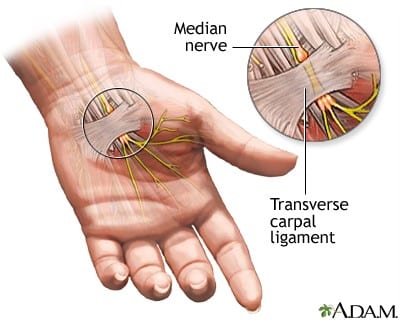
What are the symptoms of carpal tunnel syndrome?
Symptoms usually develop gradually over time. Initially symptoms may present as an ache in the wrist and hand. As the condition progresses, pain, pins and needles, numbness or a burning sensation may be felt with every day activities. Numbness in the hand & fingers may also be present as well as weakness. Patients may have difficulty performing fine movements of the hand and may find they keep dropping objects.
How can physiotherapy help?
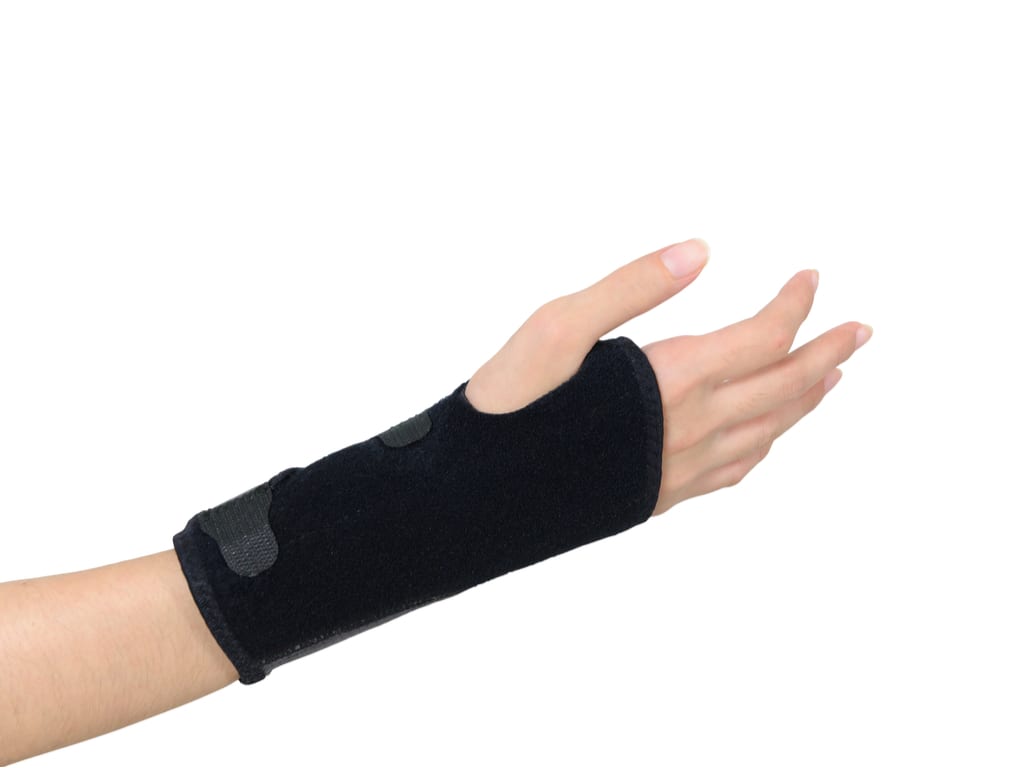
Early physiotherapy is vital to hasten the healing process. Physiotherapy may include soft tissue massage as well as bracing or splinting to help rest your joint. Mobilisations (stretching) to your wrist joint as well as acupuncture are very effective in the treatment of carpal tunnel by increasing the amount of space within the carpal tunnel, alleviating pressure of the carpal tunnel structures. We can also provide advice for inflammation management and activity modifications. A programme may also be advised to return slowly back to activity, increasing flexibility or strength to the region.
What causes carpal tunnel syndrome?
Carpal tunnel syndrome happens when the median nerve is compressed as it passes through the wrist, causing tingling, numbness and weakness in the hand. It often builds up gradually and is linked to repetitive hand and wrist use, as well as some health conditions and pregnancy.
- Repetitive gripping, typing or vibration at work
- Sustained or awkward wrist positions
- Fluid changes, for example during pregnancy
How is carpal tunnel syndrome treated?
Many cases improve with physiotherapy, including nerve and tendon gliding exercises, wrist splinting and advice on adjusting activities. Our physiotherapists can assess the severity and guide the most effective approach for you.
What you can do at home
- Take regular breaks from repetitive hand and wrist tasks
- Consider a wrist splint at night if advised
- Keep up your prescribed nerve gliding and strengthening exercises
Check with your physiotherapist if symptoms are worsening or affecting your grip.
Frequently asked questions about carpal tunnel syndrome
Do I need surgery for carpal tunnel syndrome?
Not always. Mild to moderate cases often improve with physiotherapy and activity changes. Surgery is usually considered for severe or persistent cases.
Does wearing a wrist splint help?
Yes, a night splint that keeps the wrist in a neutral position can ease symptoms for many people, particularly night-time tingling.
Where can I get help on the North Shore?
Dynamic Physio treats wrist and hand conditions at our Mairangi Bay, Long Bay and Milford clinics, and our physiotherapists are ACC-registered.