
Lateral epicondylitis, commonly known as tennis elbow, is a condition caused by overuse of the muscles and tendons of the forearm.
This leads to inflammation and breakdown of the muscles/tendon causing pain around the elbow joint.
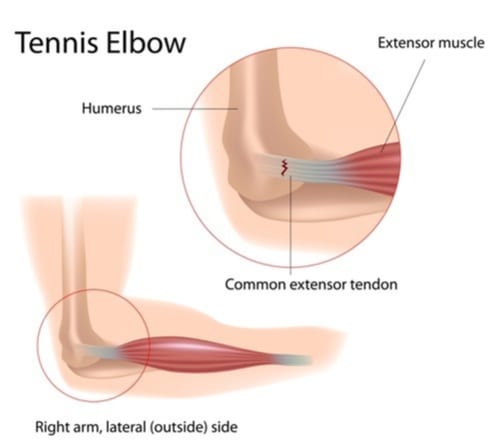
Figure 1: Extensor Carpi Radialis Longus & Brevis Muscles
Tennis elbow is a very common injury and is associated with excessive movement at the elbow and wrist. It is thought to be a form of tendinitis.
What has happened to the muscle/tendon?
There are 2 main muscles involved in tennis elbow: Extensor Carpi Radialis Longus and Extensor Carpi Radialis Brevis. Their tendons attach to the outside of your elbow joint and sit in your forearm. With repetitive movements and overuse of these muscles, the tendon goes through a “breaking down” process causing inflammation & small tears in the tendons.
What are the symptoms?
Pain associated with tennis elbow usually has a gradual onset, but may come on suddenly. Pain is commonly felt on the bone on the outside of the elbow. Sometimes a shooting sensation down the forearm is also common while gripping or picking up objects.
How can physiotherapy help with tennis elbow?
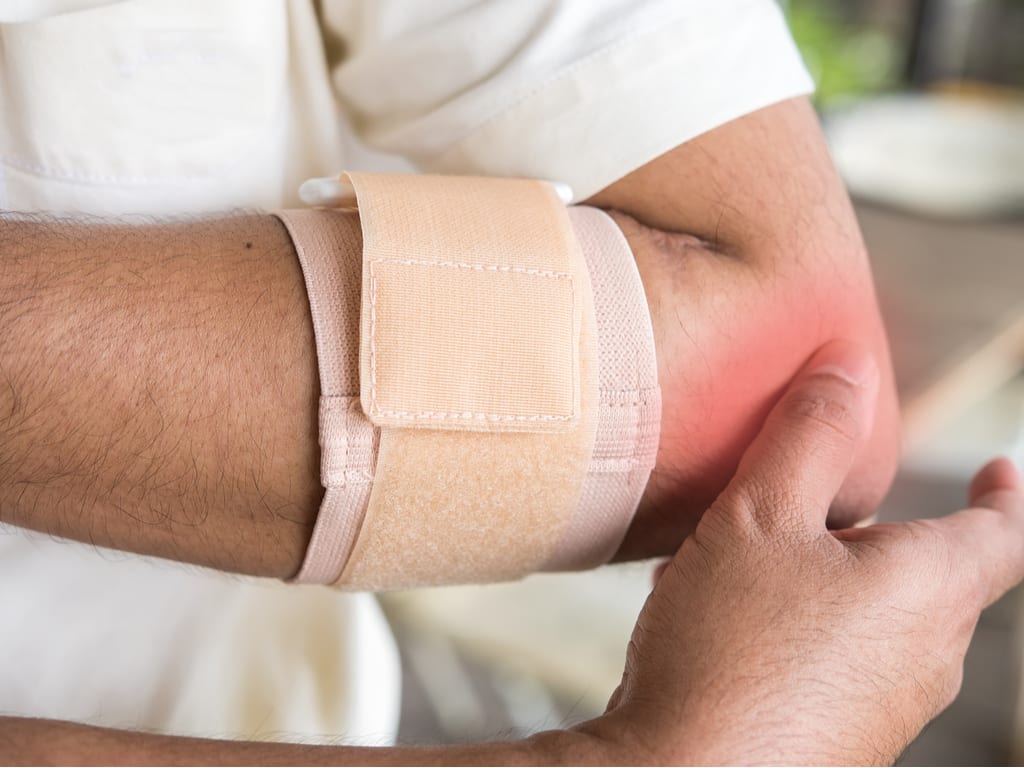
A physiotherapist can help reduce pain, advise on stretching & strengthening exercises. Strapping and massage, joint mobilisation techniques as well as acupuncture are very helpful in restoring tendon health and reducing pain. Icing & resting your forearm when you can is important. An elbow brace can also be worn to reduce load and pain.
What causes tennis elbow?
Tennis elbow is an overload injury of the tendons on the outer side of the elbow, which become irritated with repetitive gripping and wrist movements. Despite the name, most people who get it do not play tennis, and it is common in tradespeople, office workers and anyone doing repetitive hand tasks.
- Repetitive gripping, lifting or wrist movements
- A sudden increase in a new activity such as DIY or gardening
- Reduced forearm and grip strength
How is tennis elbow treated?
Tennis elbow responds best to a progressive strengthening programme for the forearm, along with advice on adjusting aggravating activities. Recovery can take a few months, and a loading programme tends to give better long-term results than rest alone.
Shockwave therapy for stubborn tennis elbow
When elbow pain has persisted for several months and has not responded to loading, shockwave therapy can help stimulate healing. Shockwave therapy is not funded by ACC, but Dynamic Physio offers it at affordable pricing, and we will let you know whether it suits your situation.
What you can do at home
- Reduce, rather than stop, aggravating gripping tasks for a period
- Keep up your prescribed forearm strengthening exercises
- Consider adjusting tools or technique to reduce strain
Check with your physiotherapist before returning to heavy gripping activities.
Frequently asked questions about tennis elbow
How long does tennis elbow take to heal?
Many cases improve over three to six months with a consistent loading programme. Long-standing cases can take longer, where options like shockwave may help.
Should I rest my arm completely?
Usually not. Complete rest can weaken the tendon. Guided, gradual loading is more effective for lasting recovery.
Where can I get help on the North Shore?
Dynamic Physio treats elbow and forearm injuries at our Mairangi Bay, Long Bay and Milford clinics, and our physiotherapists are ACC-registered.