
Postural syndrome is a condition that causes pain in the upper, mid & lower back, neck and shoulders.
It is a condition that is caused by adopting poor posture over a prolonged period of time. This may occur in any position such as standing or lying, but is particularly common during sitting (e.g. at a computer, using a mobile phone, watching television or driving).
When sitting slouched your lower back goes into a position of its maximal forward bend. This will cause pain if maintained for a prolonged time as it places a high stretching force and increased load on the joints. Similarly, when standing with a position of poor posture, stress is placed on the joints of your lower back.
What are the symptoms of postural syndrome?
Patients with postural syndrome generally have normal, pain-free movement. Symptoms are only experienced when poor posture is maintained for prolonged periods in various positions such as sitting, standing or lying. Typically, pain is worse at the end of a working day and usually starts as a dull ache in the lower back region and can occasionally be accompanied by symptoms in the upper back, shoulders or neck.
How can physiotherapy help?
Our therapists will target your areas of pain & stiffness. Education and adjustment of posture is important throughout treatment as this is typically the cause of the symptoms. Physiotherapists may adjust malalignment of the body using specific techniques such massage, joint mobilisations (stretching) as well as stretching & strengthening exercises.
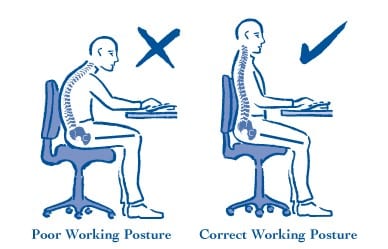
What causes postural syndrome?
Postural syndrome is neck, upper back or lower back pain that comes from sustained positions rather than injury, most often from long hours sitting at a desk or on devices. The tissues become irritated when they are held at the end of their range for long periods, and pain typically eases when you change position.
- Long periods sitting with a slouched or static posture
- Desk setups that are not well adjusted
- Reduced regular movement through the day
How is postural syndrome treated?
The most effective approach combines movement, targeted strengthening and simple changes to your work setup. Our physiotherapists assess your posture and daily habits and give you a practical plan to reduce pain and build tolerance for sitting and desk work.
How Reformer Pilates can help
For some patients, Reformer Pilates is a great way to build the postural strength and control that makes sitting and desk work more comfortable over the long term.
What you can do at home
- Change position and move regularly through the day
- Set up your screen at eye level and your chair to support your back
- Keep up your prescribed strengthening and mobility exercises
Check with your physiotherapist before starting a new programme.
Frequently asked questions about postural syndrome
Is my posture damaging my spine?
No single posture damages the spine. Discomfort usually comes from staying in one position too long, so regular movement is more important than a perfect posture.
How can I make desk work more comfortable?
Regular breaks, a well-adjusted setup and building strength all help. A physiotherapist can tailor advice to your workspace.
Where can I get help on the North Shore?
Dynamic Physio helps desk workers across our Mairangi Bay, Long Bay and Milford clinics, and our physiotherapists are ACC-registered.