
Lower back pain is extremely common. There are many causes of lower back pain which include muscle strains, joint related problems and disc problems.
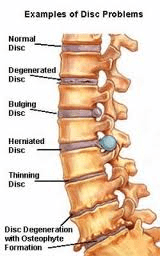
One of the most common causes is ‘degeneration’, or wearing out of the intervertebral discs. Repeated overuse, during bending, lifting and sporting activities can lead to degeneration of the outer layer of the disc. If this degeneration is sufficient enough, the disc can ‘prolapse’ outwards. Occasionally, a single specific incident such as bending over can cause pain and put pressure on nerves and other structures resulting in significant pain down your leg.
What are the symptoms of disc related lower back pain?
Often when a disc prolapse occurs it ‘impinges’ on a nerve root, causing pain down the legs. Coughing and sneezing increases the pressure within the disc and makes the pain worse. Frequently changing position relieves the pain, but it can be made worse by sustained flexed postures such as sitting, driving and standing. The nerve root that is impinged produces pain most commonly in the sciatic nerve distribution. This produces pain in the buttock, the hamstrings, the back of the knee and the calf, heel and even down towards the toes.
How can physiotherapy help?
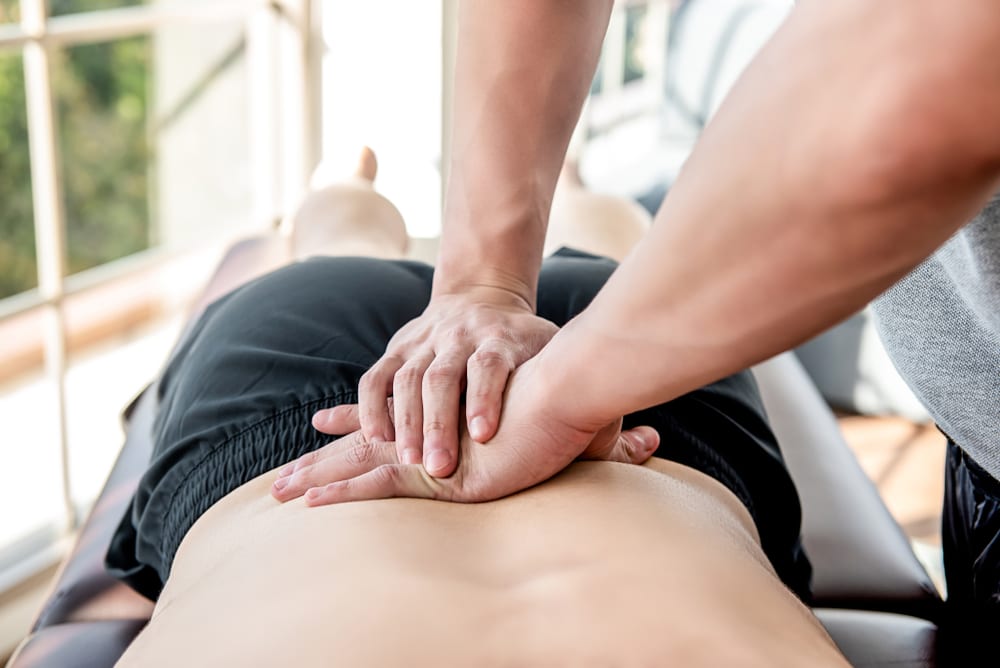
Finding the cause of back pain is key to proper treatment. At Dynamic Physio we will be able to correctly diagnose the problem and advise you on the correct management. The use of joint mobilisation with the rehabilitation exercises are the key to improving low back pain. Further stretching and strengthening exercises will help prevent the problem from occurring in the future as well as key postural advice and use of a lumbar roll may also assist you.
What causes lower back pain?
Lower back pain is one of the most common reasons people see a physiotherapist, and the good news is that most back pain is not caused by anything serious. It often relates to how the back is loaded and moved rather than lasting damage, and most episodes settle well with the right approach.
- Prolonged sitting and desk-based work
- A sudden lift, twist or awkward movement
- Periods of stress, poor sleep or reduced activity
How long does lower back pain take to settle?
Most episodes of lower back pain improve significantly within two to six weeks, especially with early movement and guidance. Staying active, rather than resting in bed, is one of the most helpful things you can do.
How Reformer Pilates can help
For some patients, Reformer Pilates is a great next step once acute pain settles. It builds the deep core stability that supports and protects the spine long-term, and it is a gentle way to rebuild confidence in movement.
What you can do at home
- Keep moving with gentle activity such as walking
- Break up long periods of sitting
- Keep up the exercises your physiotherapist prescribes
See your doctor or physiotherapist promptly if you have numbness, weakness, or changes to bladder or bowel control.
Frequently asked questions about lower back pain
Should I rest or stay active with back pain?
Staying gently active is usually best. Prolonged rest can slow recovery, while movement helps the back settle.
Do I need a scan for my back pain?
Most back pain does not need a scan, as imaging often shows changes unrelated to the pain. Your physiotherapist will advise if a scan would be useful.
Where can I get help for back pain on the North Shore?
Dynamic Physio treats lower back pain at our Mairangi Bay, Long Bay and Milford clinics, and our physiotherapists are ACC-registered.