
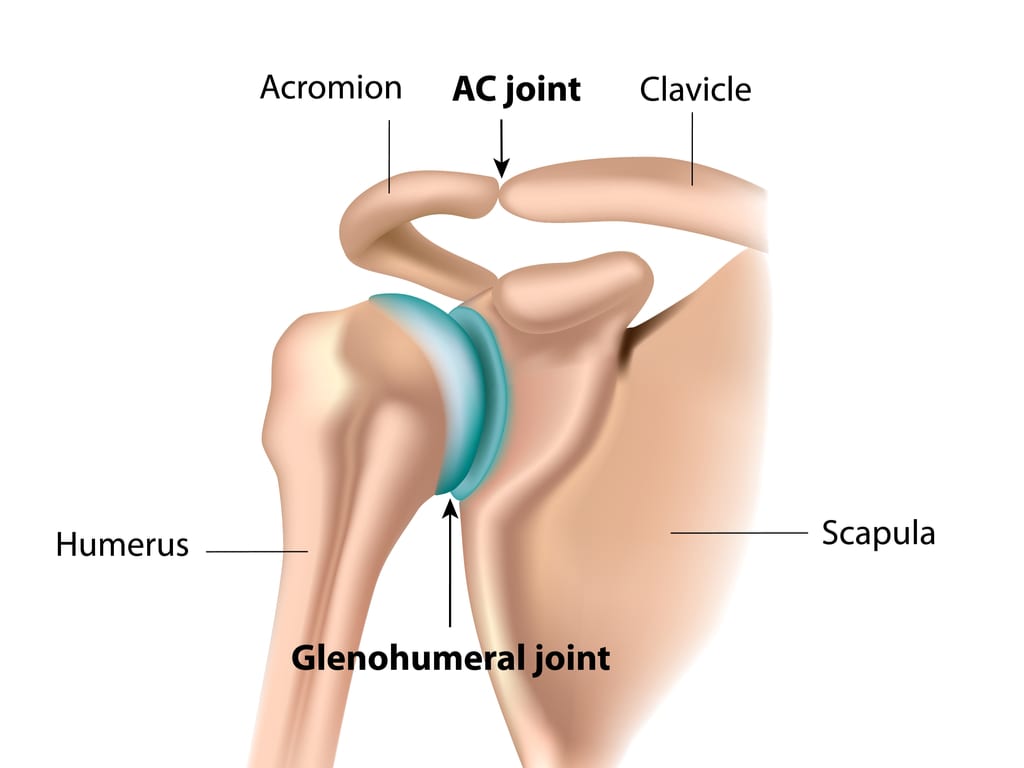
The acromio-clavicular (AC) joint is where the shoulder blade (acromion) and the collar bone (clavicle) attach. They are connected via ligaments. When the ligaments and of the AC joint are injured, this is referred to as an AC joint sprain. During certain activities stretching forces are placed on the AC joint, if these forces are beyond what the AC joint can withstand, tearing of the ligaments may occur. An AC joint sprain can range in severity from a small sprain with minimal pain, to a severe sprain with high pain levels loss in function.
What are the symptoms of an AC joint sprain?
At the time of injury, you typically experience a sudden onset of pain around the shoulder region. Pain increases with activities such as lying on the affected side, moving the arm across the body, overhead activities or during heavy lifting, pushing or pulling movements. In minor cases you may be able to continue activity but may notice pain & stiffness in the shoulder when resting after the activity. You may also notice swelling and a deformity or bump in their shoulder with the tip of their collar bone sticking up.
How can physiotherapy help?
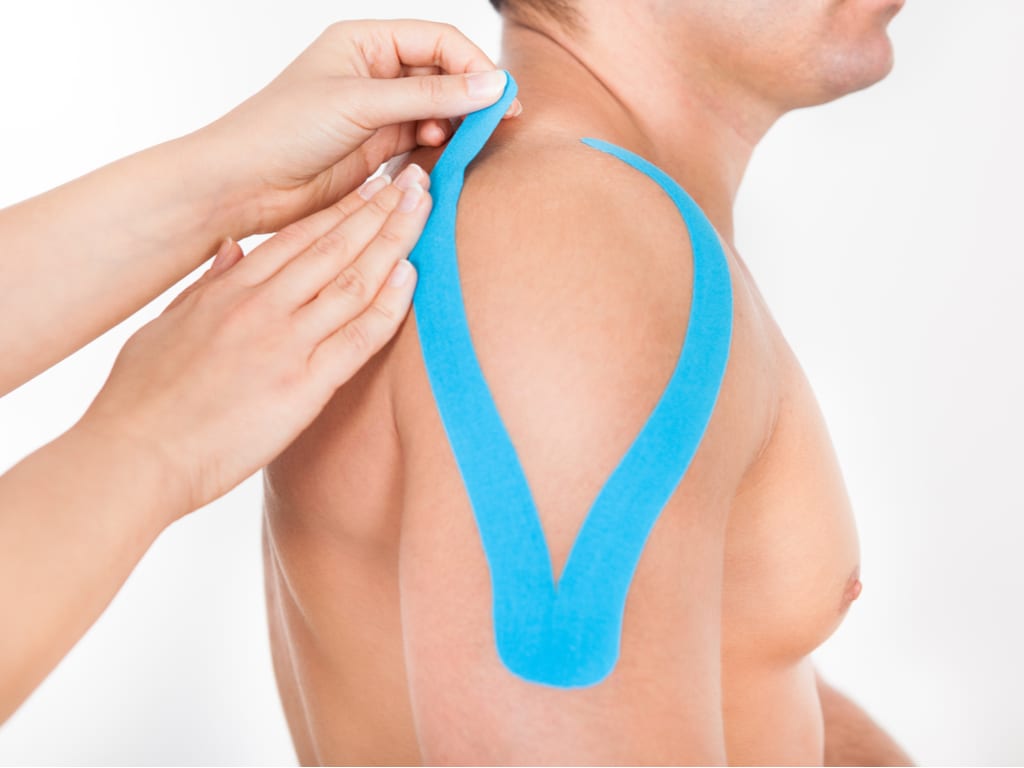
Physiotherapy for patients with this condition is vital to ensure full recovery and reduce the likelihood of the injury reoccurring. Treatment may include soft tissue massage, joint mobilization, ice or heat treatment, taping, sling use, activity modification advise as well as exercises to improve strength and flexibility at the region of the joint.
What causes an AC joint sprain?
The acromioclavicular (AC) joint sits at the top of the shoulder, where the collarbone meets the shoulder blade. An AC joint sprain, sometimes called a shoulder separation, is usually caused by a direct fall onto the shoulder or an outstretched arm, and it is common in contact sports and cycling.
- A fall directly onto the point of the shoulder
- Contact sports such as rugby and league
- A fall from a bike
How long does an AC joint sprain take to heal?
Mild sprains often settle within a few weeks, while more significant sprains can take six weeks or more. Most AC joint injuries are managed well without surgery, with physiotherapy to restore movement and strength.
What you can do at home
- Use ice and relative rest to settle early pain and swelling
- Support the arm as advised while it is very sore
- Keep up your prescribed movement and strengthening exercises
Check with your physiotherapist before returning to contact sport or heavy lifting.
Frequently asked questions about AC joint sprains
Do I need surgery for an AC joint sprain?
Most AC joint sprains are managed without surgery. Surgery is usually reserved for severe separations or specific high-demand situations.
When can I return to sport?
This depends on the grade of the sprain and your progress with rehabilitation. Your physiotherapist can guide a safe return based on your strength and comfort.
Where can I get shoulder care on the North Shore?
Dynamic Physio treats shoulder injuries at our Mairangi Bay, Long Bay and Milford clinics, and our physiotherapists are ACC-registered.