
Plantar fasciitis is usually an overuse injury causing heel pain and foot pain. Plantar fasciitis most commonly occurs due to repetitive or prolonged activities placing strain on the plantar fascia, which is a ligament that runs on the inside arch under your foot.
A tear or strain can occasionally occur at the origin of the plantar fascia at the bottom of your heel. This results in inflammation in the ligament causing pain. Most commonly however, plantar fasciitis occurs over a period of time without any specific accident causing inflammation & micro-tearing of the plantar fascia ligament.
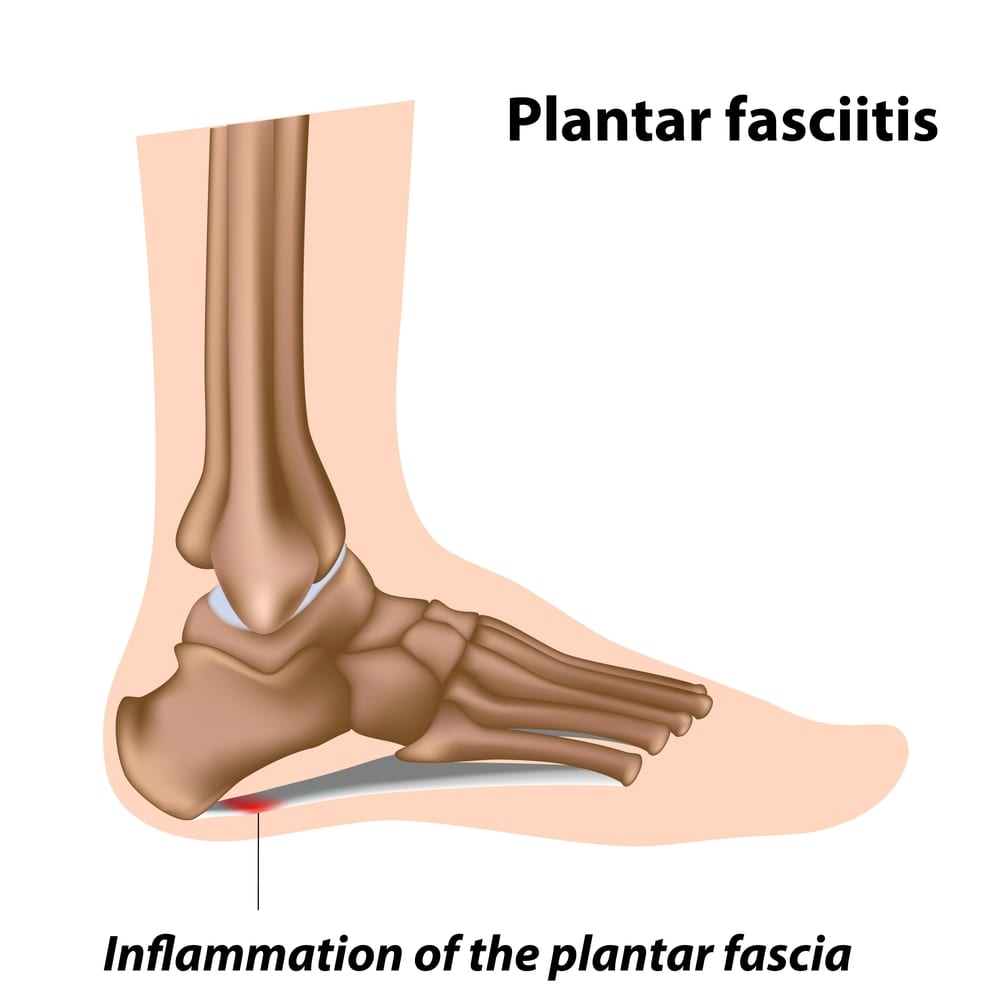
Symptoms of Plantar Fasciitis:
– Pain in the arch and/or heel of your foot
– Pain is worse in the morning when you first get up
– Pain settles once you’re moving but gets worse throughout the day
– Swelling and/or tenderness on firmly touching the arch or heel of your foot
How can physiotherapy help with Plantar Fasciitis?
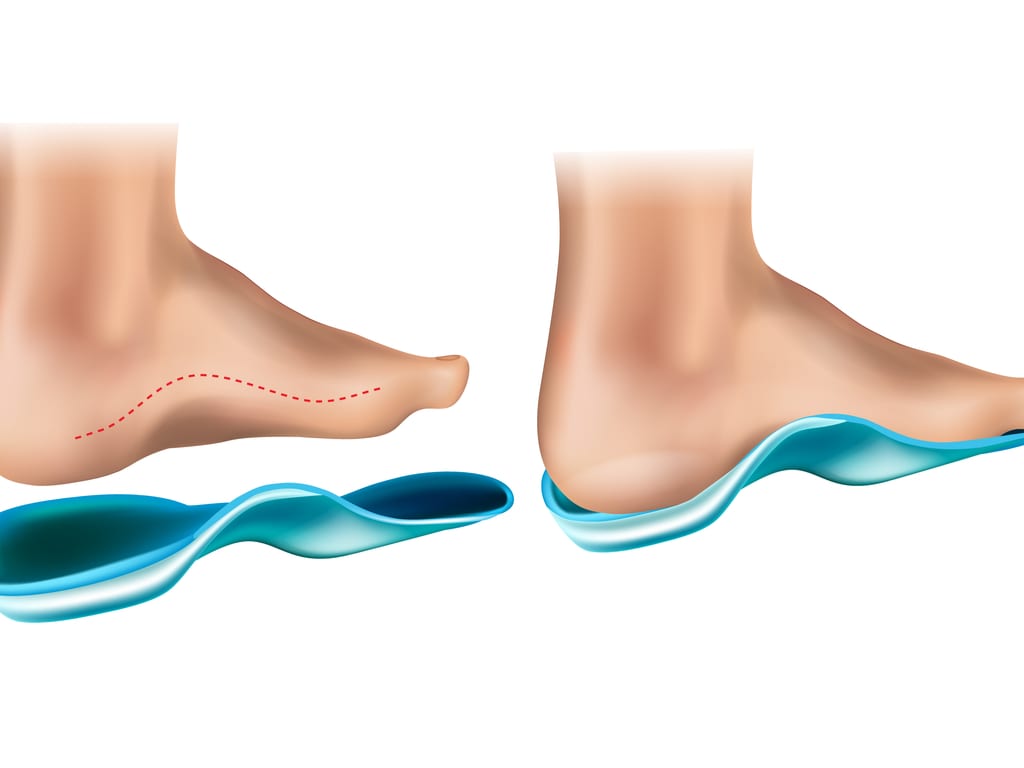
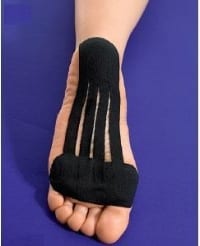
A physiotherapist can advise on stretching exercises, or apply strapping and massage techniques to reduce the pain. Your physiotherapist can also assess your biomechanics (the way you walk and run) to see if that may be contributing to your pain. Specific strengthening exercises and the use of orthotics can help correct faulty biomechanics which may be causing your pain.
What causes plantar fasciitis?
Plantar fasciitis develops when the plantar fascia, the thick band of tissue along the sole of your foot, is loaded more than it can handle. It is one of the most common causes of heel pain in adults, and it usually builds up gradually rather than from a single injury.
Common contributing factors include:
- A sudden increase in walking, running or time on your feet, such as a new training plan or a new job
- Tight calf muscles and reduced ankle flexibility
- Footwear with poor arch support, or spending long periods barefoot on hard floors
- Carrying extra body weight, which increases load through the arch
- Foot biomechanics such as flat feet or high arches
Many of the runners, walkers and office workers we see across our Mairangi Bay, Long Bay and Milford clinics first notice symptoms after a change in their weekly activity or footwear.
How long does plantar fasciitis take to heal?
With the right management, most cases of plantar fasciitis settle within 6 to 12 months, and many people feel meaningful relief much sooner once treatment begins. The earlier you start, the better the outcome, because long-standing heel pain can be slower to resolve.
Shockwave therapy for stubborn heel pain
When heel pain has been present for several months and has not responded to stretching and load changes, shockwave therapy can be an effective next step. It uses focused pressure waves to stimulate healing in the plantar fascia. Shockwave therapy is not funded by ACC, but Dynamic Physio offers it at affordable pricing, and our physiotherapists will tell you honestly whether it suits your situation.
What you can do at home
- Roll the arch of your foot over a chilled water bottle or a firm ball for a few minutes, several times a day
- Stretch your calves and the sole of your foot, especially before your first steps in the morning
- Wear supportive footwear and avoid walking barefoot on hard surfaces
- Ease off high-impact activity for a short period rather than pushing through pain
Always check with your physiotherapist before starting a new exercise programme, so it can be tailored to your foot and your goals.
Frequently asked questions about plantar fasciitis
Should I keep exercising with plantar fasciitis?
Gentle movement is usually helpful, but high-impact activity such as running can aggravate the plantar fascia while it settles. A physiotherapist can help you stay active with the right load and modifications.
Do I need a scan for plantar fasciitis?
Most cases are diagnosed from your history and a physical assessment, so imaging is rarely needed. Your physiotherapist will let you know if a scan would add anything useful.
What is the difference between plantar fasciitis and a heel spur?
Plantar fasciitis is irritation of the plantar fascia, while a heel spur is a small bony growth where the fascia attaches to the heel. Many people with heel spurs have no pain, so treatment focuses on the fascia rather than the spur.
Where can I get plantar fasciitis treatment on the North Shore?
Dynamic Physio treats plantar fasciitis at our Mairangi Bay, Long Bay and Milford clinics. Our physiotherapists are ACC-registered, so you may be able to claim for your treatment.
Sore heels do not have to be part of your daily routine. Book an appointment with the team at Dynamic Physio in Mairangi Bay, Long Bay or Milford, and we will help you get back on your feet comfortably.