
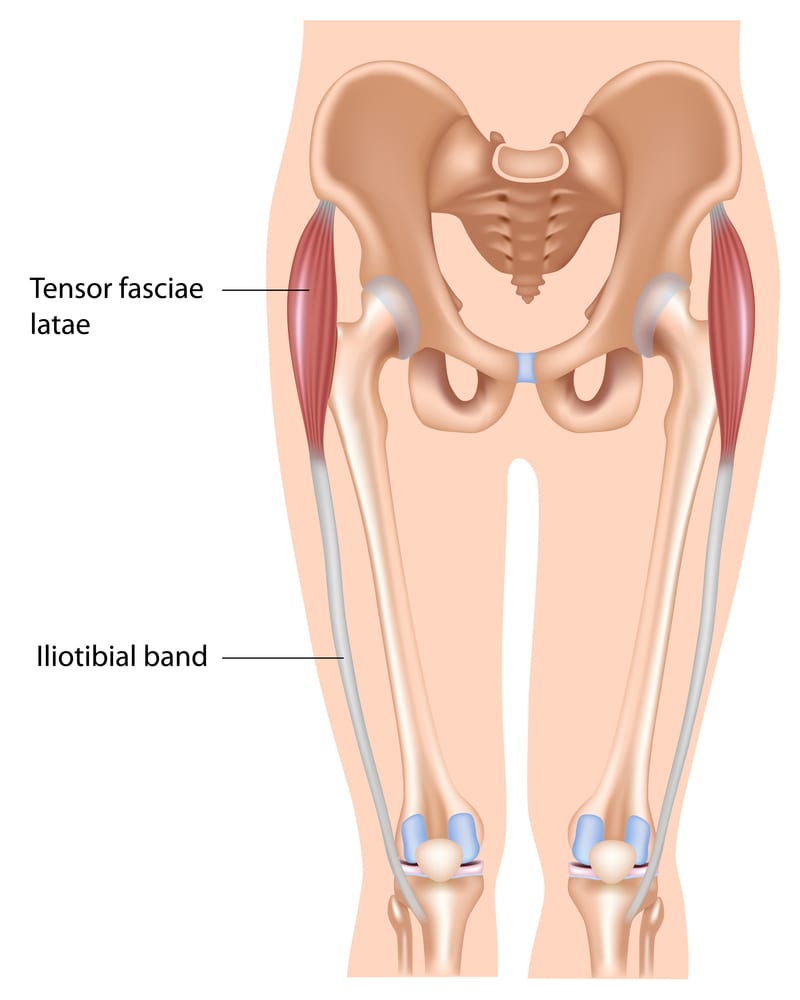
Iliotibial band (ITB) friction syndrome typically causes pain at the outer aspect of the knee where the ITB crosses the knee joint. The ITB is a long band of tissue that runs down the outer side of the leg and attaches below the knee. ITB friction syndrome describes a condition where the band rubs against a bony part of the outer aspect of the knee and causes inflammation & pain. This condition is commonly seen in runners.
What are the symptoms of ITB friction syndrome?
Pain is usually experienced at the outer aspect of the knee. You can usually experience an ache that may increase to a sharper pain with activity. The outer part of the knee may be tender to touch with potential swelling. In the morning or following activity (once the body has cooled down) is generally when pain is at its worst. Pain can also be experienced during activities that involve bending or straightening the knee particularly whilst weight bearing, for example running, squatting or jumping.
How can physiotherapy help?
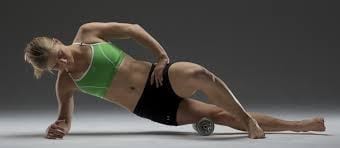
A physiotherapist will perform soft tissue massage to loosen the ITB in attempt to stop friction on the knee. They may use acupuncture or mobilisations to assist with pain and healing of the tissues. Mobilisation may also be used on the hip and knee to increase mobility at the joints with the aim to increase flexibility of the ITB. Stretching is important to return the ITB to its normal length and the use of a foam roller may be heplful. Strengthening exercises may also be provided to assist in reducing ITB symptoms and target the underlying cause such as biomechanical factors and posture, or muscle strength mismatching of the leg muscles.
What causes iliotibial band friction syndrome?
Iliotibial band friction syndrome is a common cause of pain on the outer side of the knee, especially in runners and cyclists. It is an overload problem that develops when the iliotibial band, a strong band of tissue on the outside of the thigh, becomes irritated where it crosses the knee.
- A rapid increase in running or cycling distance
- Downhill running and hard, cambered surfaces
- Reduced strength and control in the hip and glute muscles
How long does it take to settle?
With a loading and strengthening programme that addresses hip control, most people improve over six to twelve weeks. Because it is load-related, adjusting training while you build strength is an important part of recovery.
What you can do at home
- Reduce running or riding volume for a short period rather than stopping
- Ease off downhill running while it is irritable
- Keep up your prescribed hip and glute strengthening
Check with your physiotherapist before returning to full training.
Frequently asked questions about ITB friction syndrome
Should I foam roll my IT band?
Foam rolling may give short-term relief, but lasting improvement usually comes from strengthening the hip and glute muscles and managing your training load.
Can I keep running?
Often yes, at a reduced level guided by pain. A physiotherapist can help you adjust your programme so you keep moving while it settles.
Where can I get help on the North Shore?
Dynamic Physio treats runners and cyclists at our Mairangi Bay, Long Bay and Milford clinics, and our physiotherapists are ACC-registered.